197 7th Ave New York, NY 10011212-206-7777
24/7 Emergency Locksmith Services

Safes repair NYC

The Difference Between Safes and Lockboxes

Posted onNovember 27, 2018byadmin

Safes and lockboxes are often confused for each other, but in reality these pieces of equipment are very different in their function and level of true security, although they may sound similar. Here’s a guide to the differences between professional safes and lockboxes, as prepared by the s afe installation and security experts at SOS Locksmith . Continue reading →

Gun Safes

Posted onSeptember 23, 2016byadmin

Gun safes have interiors that are meant to hold long guns, such as rifles, shotguns, carbines, and muskets. Long guns are usually defined by the extended lengths of their barrels, as opposed to the length of the weapon mechanisms itself. The National Firearms Act sets a minimum length for shotgun barrels at 18 inches and 16 inches for rifles. The majority of gun safes are at least 53 inches tall, however their specific size and layouts are different based on the model and manufacturer.

Gun safes are somewhat cheaper than home safes of similar sizes, since they are more widely manufactured and more intensely discounted. They are available in many sizes and colors, including bright, pastelly, pink varieties.

Ratings

Gun safes are usually rated as Residential Security Containers (or RSCs.) Some un-rated gun safes are available, which isn’t a problem for people that are unaware of the rating system – however, many insurance companies offer protection for safes that meet a minimum RSC rating. These companies monitor the rating of safes based on the thickness of the door and body steel. They can be rated from B down the alphabet scale. The RSC listings are made based on testing by professional safe-crackers who attempt to gain entry into the safe working off complete blueprints of the lock mechanism. If these technician/testers cannot gain entry into the safe within 5 minutes, then that model and make of safe will receive a letter certification.

Fire Ratings

Most gun safes are fire rated between 20 minutes to over 2 hours. Gun safe manufacturers have the option of using a wide variety of testing groups, and can even fund their own tests. Because of this, fire tests for gun safes aren’t uniformly applied across the range of separate brands; if you’re looking for a specifically fire rated gun safe, it might be smart to research the exact specifications for the manufacturer’s testing to ensure that it qualifies for your requirements.

Important things to consider

Consider the value of the property you will be placing in the safe when purchasing it; this way you can have a clearer idea of what rating you will require.

If you’re buying a fingerprint scanner safe, enter the same fingerprint multiple times from different angles – this way, in case of an emergency where you need to quickly open the safe, you can be sure that the safe will be able to get opened quickly and easily.

Home Break-In Statistics

Posted onMay 5, 2016byadmin

When trying to keep a secure home, it can really help to know some of the trends and numbers that commonly define home break-ins and burglaries across the country. Even if you can’t ever be one hundred percent prepared for a burglary, you can definitely prepare defenses. In this blog entry, I’ll detail some of the specific statistics that define criminal break ins across the country, so you can be better prepared.

Over half of Burglaries are forced entries

The FBI classifies three varieties of burglary: forced entry, unlawful entry, and attempted forced entry. 58.3 percent of burglaries are forced entry, while 35.2 and 6.5 percent are unlawful entry and attempted forced entry relatively. These statistics demonstrate that burglars are determined to get inside your property, and that homeowners have to be equally set to make sure they don’t get in. It also strikes a reminder to make sure windows and doors are locked, and that your security alarm is active.

Over 2000 dollars on average is lost per burglary

This re enforces a commonly known fact that burglars tend to gravitate towards expensive luxury goods; this means a thief is more likely to try to take a diamond necklace than the food inside your refrigerator. This also illustrates the trend of burglars to steal from property which they have already scoped out through valuables; it’s never been more important to make sure that your valuables aren’t in plain view of windows. It might even be a good idea to tint your windows, or install one-way glass windows so nobody can look inside your house.

Many burglars use the Front Door

Over 34 percent of burglars use the front door to get access into someone’s property, while 22 percent use the back door. Make sure that when you’re upgrading your security that you improve the lock quality in your front and back doors. The best option is to get doors with solid cores that will be more resistant to break-in attempts than the majority of hollow body doors. We recommend improving your locks with the addition of high security pin tumbler locks, as well as keeping all windows or points of entry completely secure.

The average burglar spends less than 12 minutes in your home

Most burglars spend between 8 to 12 minutes inside your home – this short duration is due to their extreme caution and not wanting to get caught. This information is of great use to homeowners – they can place any valuables in hard to find areas spread out throughout the house, rather than in one easily findable “treasure trove.” This will make it more likely the burglar will abandon their search, and leave your home without taking any of your most precious belongings.

Most burglars go to master bedrooms first

This is the first room most burglars will go to, as it’s the most common room that valuables are kept inside. This statistic helps give some detail as to how burglars think; it’s much safer, thus, to keep your valuables distributed throughout other discreet and hidden areas of your home, to throw them off target, and increase the possibility of them leaving empty handed.

Burglaries happen every 15 Seconds

Even if the national burglary rate has decreased since the anarchic 1970s, it’s still a massive problem across the country. This statistic helps homeowners in the sense that it informs them of the very real, and very common threat burglary poses – it’s the kind of think that one never expects. Home security, in this light, transcends the simple need to keep one’s valuables safe, it also extends to keeping one’s spiritual sense of safety, as well as the physical safety of their friends or loved ones, intact.

Types of Home Security Systems

Posted onApril 3, 2016byadmin

There’s a wide variety of home security systems currently on the market. Choosing between them to find which one is best for your home can be very daunting. Installing a security system at your home ensures the protection of your family and property – making them an absolute must; however it’s always best to utilize the absolute ideal security system for the needs of you and your family.

Monitored Security System

These alarm systems are commonly used throughout the world, and carry their own list of pros and cons. The system, when triggered, will alert a call center which will then contact your local police. Since this system works through your outside telephone lines, your burglar could potentially disrupt it by locating and cutting your phone lines. Even when tripped the system would be unable to notify the call center, so the police would never be called. One potential for a substitute for a monitored alarm is the use of a cell phone or radio instead of a landline alarm. The other potential drawback to these kinds of alarms is that even when the alarm is set off, it will take some time for the police to arrive – meaning by the time they do get there, the burglar will have had plenty of time to grab valuables and get out of there. Even with these drawbacks, these kinds of alarm systems are some of the most expensive on the market.

Non Monitored Alarm Systems

This other type of alarm system sets of an incredibly loud siren both inside and outside the house when the alarm is tripped. This sort of system relies on healthy contact with your neighbors, so that they will know to call the police when the alarm goes off and you’re not home. One of the best aspects of these systems is the fact that they don’t have monthly fees, meaning that it’s much more affordable than monitored systems. These systems can also be installed with bright flashing lights so people can be more clear on what house the alarm is sounding from. Usually, loud sirens will be enough to make any burglar leave immediately, as there will immediately be a ton of attention focused to the house. Of course, one disadvantage is that you will have to rely on your neighbors vigilance in hearing the alarms and calling the police; if your neighbors are often away, or aren’t likely to hear or call the police, these alarms could potentially not do that much for your home security – especially if you don’t have neighbors and live in the middle of nowhere.

Wireless Alarms

These systems can often be found at regular, local hardware stores. There’s both advantages and disadvantages to these kinds of security systems. One of the chief advantages is that they are quite simple to install and carry no monthly monitoring fees – you can simply decide whatever settings that you prefer; there’s many options including cameras, beams, sensors, or motion detectors. Some of the drawbacks to these systems is the space limit between sensors and cameras, and the need to replace batteries quite often – which can eventually become pretty pricy.

Electric Current Based Alarm Systems

Just like the rest of the types of alarm systems, electric current based home alarms carry their own sets of advantages and disadvantages. These alarms are usually installed in homes during their construction, so they can mostly be found in newer homes. It monitors doors and windows and sounds a beeping noise when they are opened. This is a fantastic feature for both preventing burglaries, but also ensuring that your children aren’t opening doors and windows of your home. Some of the disadvantages of this type of system is that electrical current flows from outside can disrupt your alarm signal and render it incapable of working – for example, lightning can affect these systems and render them inoperational for a period of time.

Common kinds of Door Repairs

Posted onMarch 23, 2016byadmin

Many locksmiths and door repair experts find that a malfunctioning lock is the product of a non-working door. In this short blog post, I’ll detail some of the most common door malfunctions that interfere with the ability of locks to function.

Door Jamming

This is usually the result of the heavy forced use of the lock – some element is shaken out of place and the multipoint lock gets stuck, preventing the door from being able to be opened. This is repaired by unjamming the internal lock mechanism, and replacing its center case – or the entire lock unit if it is called for. This calls for different operations based on the different types and brands of locks.

Misaligned Doors

Sometimes the weight of a door will drop from the weight of it’s own load-bearing – this can make hinges loosen, cause warp in the door structure, or break the lock itself. These repairs are typically simple, unless the door is severely warped (usually from people hanging off it) or incorrectly installed in the first place – but usually this requires little else besides a few turns of the hinge adjuster at the top of the door. If the hinges of the door still require some adjustment, you can toe and heel them to restore the door to working order.

Security Improvement

By upgrading European style locks to high security door handles with anti snap functionality, you quickly and exponentially increase the security of your space. This is a matter of simple re-keying, or complete hardware replacement – and a broad number of hardware options exist which range from aesthetic to functional differences.

Top Tools Used by Locksmiths

Posted onMarch 17, 2016byadmin

Just like any other manual trade, locksmithing requires it’s own set of tools. It’s incredibly important that every locksmith has a full range of tools – as many different situations call for different tools, and the only way to be fully prepared for any situation that they might come across. The full range of tools available can be a bit daunting for beginners – in this blog post we’ll be taking a look at the most common and essential tools that locksmiths use in their trade.

Pick Gun

This tool is incredibly widely used – and comes in both electrical and manual iterations. They function similarly to key turners, but move in an upwards motion forcing the lock pins to jump up, unlocking the lock. This tool can also be used by burglars.

Key Turners

This tool can be used when you accidentally lock yourself out of your house. Similarly to a pick gun, it rotates whatever key is on the other side of the lock, unlocking the door. Usually this tool only works on second or third lever locks.

Key Machine

This tool cuts keys of all types, including circle keys, padlock keys, or cabinet keys. Unlike manual key duplication where a locksmith makes exact replicas, key machines makes a working key using a pre existing key’s code numbers. These machines come in automatic, semi-automatic, or manual categories, and offer engraving add-ons that can make cutting burrs, key rings, key tags, or opening cards.

Tension Wrench

The bread-and-butter of locksmiths, this device functions through applying pressure inside the mechanism of the lock to release it, opening the door. Using the tension wrench, the locksmith applies force to the cylinder, and then uses a lock pick, pulling up all the pins until they are completely flush with the line, aligning perfectly and unlocking.

Power Drill

The holy grail to the bread-and-butter of the Pick Gun, these tools are some of the most essential tools of the entire locksmith trade. Drills vary according to many different sizes, brands, and materials – it’s use is simple. It drills holes through doors so that locks can be fitted into them and properly installed with no extra space.

Professional Home Security Assessment

Posted onMarch 3, 2016byadmin

This blog post will help you assess the security of your home on a professional level . Risk assessments help you balance the cost of the defensive strategy against whatever losses might happen if it isn’t implemented. It’s important to remember that value is subjective – and that the safety of your household is utterly priceless . Risk assessment will help you be prepared in the event of a home invasion or other disaster.

Kinds of Risks

Business Risk

If you use your home as your office, having any sort of records, computers, servers, or other business information stolen can prevent you from working – compromising the effective progress of your business.

Fraud / Identity Theft

This involves the theft of information that can in turn be used to steal money, valuables, or other records. This can destroy your credit.

Legal Risk

If your property isn’t equipped according to legal regulations you may put yourself in financial risk.

Lost Property

Some objects are irreplaceable – whether the value is sentimental or monetary.

When you’re assessing the threats to your property, be realistic – research what sort of natural disasters might affect your area. Yes, this includes nearby trees that could damage property. Assess your security – checking your locks, camera, doors – or any of the variables of your property that could pose a danger or vulnerability. Proper installation of any latches, locks, or security tools is of key importance; a lock pretty much doesn’t mean anything if it’s, for example, installed on the outside of a window. Additionally, if there’s multiple people who can access the property, it’s more vulnerable.

Layers of Protection

Locks

Any and all locks should be installed correctly and functioning properly – and if it works, use it!! Any unused or unimplemented lock is pretty much the same thing as having no lock at all then your security is compromised.

Gates

These can be controlled with a padlock, or electronic lock which can be remotely controlled. The code or key controlling the gate can either be shared amongst your household / business or controlled by a single individual – it’s also possible that a guard or attendant could be assigned to the sole operation of this gate.

Window Protection / Visibility

Windows can be incredibly vulnerable – make sure to always lock them. If you want to continue to up your security, install bars in them, or have them tinted according to a 3M security film, reducing the likelihood of potential criminals peering in. Visibility also affects security on the outside of the home – the less hiding spots or coverage there is on the outside of home, the more reduced likelihood of a burglary – make sure that there’s full perimeter visibility around your building.

Security Cameras / Motion Sensors

Non-operational security cameras can be utilized as an effective deterrent to any potential burglars, while fuller security systems that offer remote alerts can help notify law enforcement automatically if your security is ever messed with. Motion sensors protect against unwanted activity in a number of ways – they can sound alarms or flash warning lights as deterrents, or contact law enforcement.

Alarms

A well operating alarm is one that not only alarms the burglar (increasing the chance that they will abandon whatever crime they are trying to commit) but one that alerts neighbors that can contact law enforcement as soon as possible – assuming you’re not already home. As a general rule, the louder the alarm is, the better.

Redundancy

The more layers of protection that you have the better. By using redundant security laters, you’re exponentially increasing the security of your home.

Questions to ask yourself when assessing your home security.

What valuables do I keep in my home?

How easily could I self install security hardware?

Is there crime in my area?

Do I own my home (can I make structural changed?)

Who has access to my home?

Do the windows all lock from the inside?

Is there a tree with which the roof of the property can be accessed?

Are there any known threats?

Do you have operating alarms?

Ask yourself these questions in order to assess the amount of security layers you need to add to your home; a home security professional, like those at Chicago Locksmiths, can expertly and efficiently install any security assets you need.

Should I get a Safe or a Lockbox?

Posted onFebruary 17, 2016byadmin
CCTV Camera with house and village in background

There’s a ton of options that consumers have in terms of technology that can help them secure their belongings. However, there’s some crossover with these items – specifically with safes and lockboxes . How secure are they? How much protection do they provide for valuables? In this article, I’ll elucidate on some of the essential distinctions between safes and lockboxes, so you can know which one is better suited for your needs before any sort of purchase.

Safes

The security level of safes vary wildly. There’s a ton of factors that need to be taken into consideration. How much steel is inside the safe’s body and door? What was the welding technique? What burglary and fire standards were the safe tested against? Where was the product made? Is there a warranty? What’s the assembly technique of the bolt work?

If you’re able to find a secure safe, you need to store it in a safe place. First of all, it should be placed somewhere not easy to access. By hiding the safe, you’re doubling the protection of your valuables. It’s your choice whether or not you want to use a safe with a digital lock or a combination dial lock. Combination locks are somewhat slower, although once you get the hang of it, you’d be able to open it quickly. With expert manipulation, you can open one in around 15 seconds. Electronic safes allow opening within 2 to 3 seconds.

All safes operate under the principle that all items placed inside will stay inside until you decide to take them out. However, all safe’s are somewhat imperfect. If you lose your code, or an EMP or mechanical failure causes electronics to fail, a safe can still technically opened – but only with the right tools. We’re wise enough to understand that all safes have the potential to fail or be opened – however these are rare, rare circumstances.

Lockboxes

Lockboxes are a kind of safe – with a few major differences. There are two essential kinds of lockboxes – standard lockboxes and personal protection boxes. They are both small and somewhat easy to access. Standard lockboxes are meant to be opened on a frequent basis – they can hold money during garage sales, swap meets, parties, or the like. Personal protection boxes are lockboxes that are meant to hold a gun or another weapon – their purpose is to keep a gun out of the hands of children, but not so secure that it can’t be retrieved quickly. While standard lockboxes can be opened with a key or a digital lock, personal protection boxes are meant to be opened quickly, in about a second.

All lockboxes can be bolted down to a surface to prevent it from being stolen. The metal involved in the locks can somewhat vary in quality, but usually are not as strong as the metal used in a safe. The degree of difference between a safe and a lockbox is similar to the degree of difference between a safe and a vault. Because of the lack of industrial grade metal, lockboxes are usually much cheaper than safes.

Key Safes

Key Safes are a kind of lockbox meant to simply hold keys. They’re made out of a thin metal or plastic, with a combination dial or wheeled combination lock. These kinds of boxes are almost never opened with a key – since they are meant themselves to be used as protection against forgetting or losing keys. Some real estate agents or Airbnb’s use these lockboxes to keep a key securely placed on a property for open houses. These safes get screwed into walls, and are somewhat easy to remove. They aren’t built for security, but rather convenience. However, with some additional concealment, the security level of Key Safes can be bolstered.

Which should I choose?

There are definitely situations that merit the purchase of both a safe and a lockbox, since they both serve separate functions. It all comes down to what you’re looking to secure. It’s all about what you’re concealing, the space you’re doing so in, your personal needs and wants. If you need easy transportation and simple concealment, a lockbox is the choice you should go with. If you need heavy durable construction and integrated protection from multiple types of attacks, you should go with a safe. A safe is somewhat more of an investment, but provides lots more security.

How do you want to lock it?

Kyes can be left inside the keyway of a lockbox, and can be removed whenever the box needs to be secured. However, if there’s a keyway, the box can easily be picked. Electronic locks are easy to operate, but can fail in electrical outages. Dial combinations are unrivaled in their reliability, however, they are quite slow. If you can’t make up your mind, go with a redundant locking mechanism – that includes both an analog and digital dial.

How to Protect your Luggage from Theft in Airports

Posted onFebruary 8, 2016byadmin
luggage

In the world we live in, protecting one’s own property becomes something to be prepared for. Many people consider suitcases to be somewhat “unprotectable” over international flights – simply due to the long amount of time these bags are being handled by strangers, or placed out of site. Regardless of the measures taken by airports and the FAA to protect flyers from theft, an amount of thefts of property always occur at airports. So you’re left asking yourself, how can I protect my luggage from people that would want to steal from it?

Strong Suitcases

There’s multiple factors to consider in securing your luggage before flying. Before we discuss locks, let’s talk about the physical structure of the luggage itself. If your suitcase has a fabric body with a zipper, a lock isn’t going to exactly do you well. The bag can easily be cut open (by people who wouldn’t care if you discover the theft) but can also be opened with a common airport theft trick. This trick involves the use of a ballpoint pen to puncture the zipper opening, run along it’s length, opening the bag with no signs of entry. In fact, TSA agents use this technique to inspect suitcases.

It’s worth putting in the investment for a hard sided durable suitcase. These suitcases differ from the typical ones because they aren’t made of easily severed fabric, but a hard, almost impenetrable siding. Additionally, there will be a hasp system which you can place locks on. These cases can’t be opened with pens like typical suitcases. When looking for hardsided suitcases, it’s good to test them in person so you know what you’re getting. Test if the material can’t be broken, and that the lid is sealed tight when shut. If there’s any gap in the seal, it’s not the ideal case.

Finding a Durable Lock

Buying a durable lock is absolutely something you should do. First of all, you need to choose a lock that properly fits the case – so that there’s no gap when it’s fully closed. If you’re shackling the zipper tight, the lock’s shackle should be thin enough to fit inside – however, the thinner the shackle, the easier it is to cut or break off.

I certainly don’t advise getting one of the pre-made TSA approved locks. It’s shackles are incredibly flimsy and can be cut with a pair of ordinary household tools. They can be picked easily – not to mention the fact that the schematics of the inner lock has been publically available on the internet for years – so somebody could make a skeleton key that works for it.

Instead, I recommend getting a high security lock, like a padlock. Don’t skimp on price – invest in a well made, solid lock that can resist many different kinds of entry attempts. I also recommend getting a lock with internal ball bearings that prevent thieves from being able to shim it.

Levelled Security

Try getting a lock with as many security features – and pins – as possible. 5 is the average, and serrated pins work the best. Using a lock with a shroud over the shackles make it much harder for thieves to cut through it. On the average, competent high-security locks can be found for around 25 dollars. Brands like Best, Mul-T-Lock , and Medeco are always a good bet. It also helps to combine multiple locks that aren’t from the same company – this would protect your property from criminals with single break-in methods.

As additional security tactics, never put irreplaceable valuable items inside your checked luggage – instead, bring it with you in carry on. Additionally, you might want to use saran wrap, zip-ties, or tape to show you if your suitcase has been opened. It’s definitely an effective deterrent to criminals who don’t want to waste time getting through a zip tie and get caught. As many levels of security as possible is highly advised – any additional, unfamiliar level with effectively deter criminals. The best solutions are the one’s that you cater to your specific situational needs. Find whatever weak links figuratively or literally exist in your luggage, and reenforce and strengthen them. By utilizing layered security, you can protect your luggage in airports, or really any transportation environment.

SECURITY TIPS ALL CYCLISTS SHOULD IN NYC

Posted onJanuary 25, 2016byadmin
bike locks

In this blog entry, we’ll discuss potential solutions to the threat of bicycle theft. These solutions are a practice of a balance between practicality, cost, and convenience. Most people can’t carry around a heavy duty chain and eight locks wherever they go. However, with every compromise for convenience, you’re lowering your security. The more security levels there are for your bike, the less chances it’s going to get stolen – less thieves will even attempt the theft, and the one’s that do are less likely to succeed.

Bike-Theft Statistics

Riding on a bicycle is an integral part of many people’s leisure as well as their commute. It’s an exercise method, a transportation method, and a way to relax. One source of concern for cyclists is how to safely secure bicycles throughout the day – as bikes have become much more widely used, bike theft has also increased. According to the FBI, at least 190,703 bikes are stolen per year – and that statistic is a reflection of reported thefts. A study in Canada showed that 76% of bikes that are stolen are ones that cost under 500$. This demonstrates the fact that even cheaper bikes are at risk of theft – bike thefts aren’t usually premeditated`, but are rather acted on a spur-of-the-moment level.

U-Locks

Many bike owners really prefer using U-Locks to the typical padlock because it gets rid of the need to carry around a heavy change – which can be both cumbersome and dangerous. You’re going to need more than one U- Lock if you’re discarding the chain completely – if this is the case, carry as many U-Locks as possible, as it’ll only make your bike more secure. The best points to place the U-Lock is on the frame, the anchor point, and the wheel of the bike. Make sure that both sides of the U-Lock shackle release – if this doesn’t happen, a potential criminal would only need to cut one side in order to free the bike.

Padlocks

There’s a massive variety of padlocks available. You can find padlocks for a measly couple of dollars, and you can find padlocks that cost in the thousands. The criteria that you should focus on in your search are the lock’s weight, the thickness of the lock’s body as well as it’s shackle, and a shroud (a piece of metal that covers the sides of the shackle to make it less accessible to potential thieves.) Keep your eyes out for rounded areas on the shackle which indicates that the lock has internalized ball bearings, which prevent it from being “shimmed”, a special kind of lock picking that can be improvised with everyday objects. As a word of warning, try to avoid buying Master Lock products, as their cheap price point is contrasted by their weak and easily broken materials. Be aware that spending some money on a padlock can pay off in its security value.

TUBULAR LOCKS

Posted onJanuary 6, 2016byadmin
locks tumb

The device widely known as a tubular lock is also referred to as a circle pin tumbler, an Ace lock, or a radial lock. Similar to how tissues are ubiquitously/colloquially referred to as Kleenexes, tubular locks are sometimes called Ace locks due to Ace being the company that originally manufactured this type of lock. They can commonly be found on commercial / industrial tools that are standing unattended for long periods of time – think of vending machines, for example. Tubular locks are generally considered to be of a higher security level than tumbler and wafer locks – mostly because of their scarcity; thieves aren’t as likely to know how to pick or cut them. In this blog entry I’ll go over some of the details about the structure and function of tubular locks.

Tubular Lock Structure

Tubular locks are named so because the keyway is encased in a cylinder. The circular keyhole is joined to a tumbler system common to other kinds of locks, however it differs in that it’s key pins are pushed in along a horizontal axis, rather than vertically like other kinds of locks. The mechanism that holds the key pins in (the plug) is built into the same cylinder as the mechanism that holds the springs and drivers – (the bible.) The key is circular, with outside facing grooves – and it can only be inserted into lock from a particular configuration.

Pick-Proofing

For the most part, tubular locks are tougher to pick than other locks. This isn’t to say that it isn’t possible to pick it – and like all locks, the security level of the lock varies depending on its particular model, make, and brand. However, tubular locks typically take a much longer amount of time to pick than other locks – a valuable feature, as the longer it takes for thieves to pick a lock, the higher their chances of being caught and apprehended. This makes tubular locks a great preventative deterrent.

Technically, you can define tubular locks as being slightly different pin tumbler locks – they aren’t military grade security locks, but they work well and reliably. I mean to say that these locks – for the most part, the one’s common to consumers – aren’t fit to prove impervious to the advances of a highly seasoned lock-breaker; however, they certainly add a level of security to property that, combined with other measures, provide a solid line of defense against theft. If you’re interested in finding a tumbler lock right for you, I recommend searching online or through your local locksmith’s inventory for one with the features suitable to your specific security needs.

Different Types of Keys

Posted onNovember 30, 2015byadmin
differnt types of keys

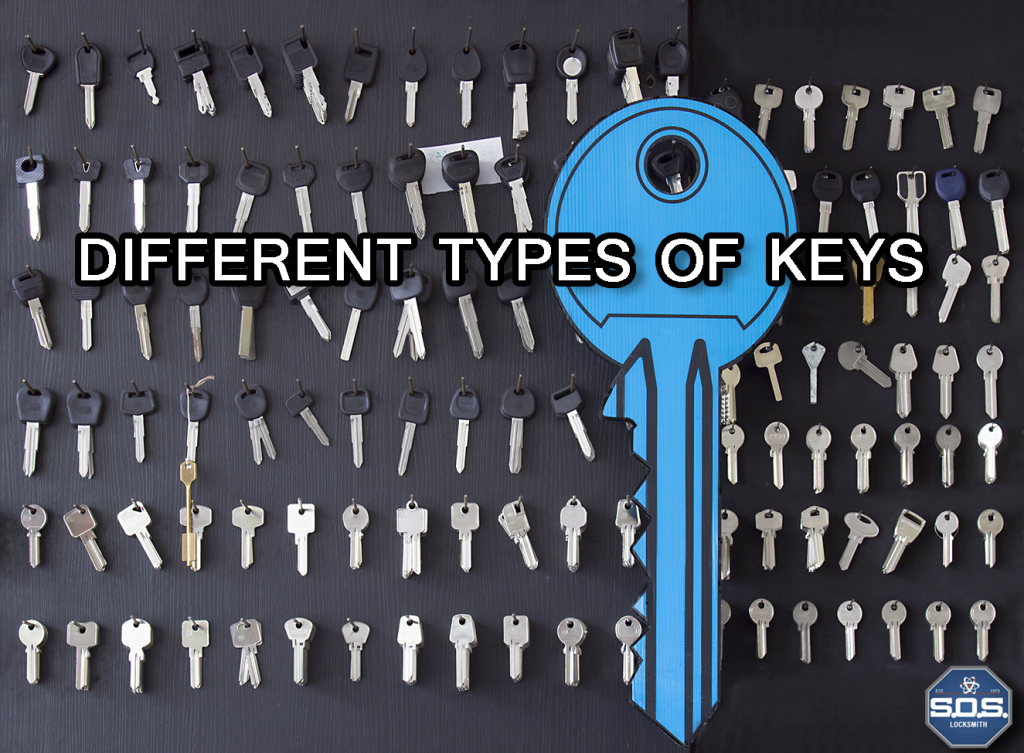
While the word “key” conjures the same shape of a traditional key in many people’s minds, there’s actually quite a bit of variance in the shape, structure, and function of keys. This small blog entry will help you differentiate between the different types of keys that can be used in different situations.

Transponder Key

This key, used for cars, has a chip that disarms the car’s immobilizer once the engine starts running. It’s activated by a radio signal in the car when it’s placed in the ignition. It’s designed to prevent theft and are incredibly hard to duplicate.

Double/Four Sided Key

These keys are usually used in home locks , and have two or four sets of teeth in them, which make a more lasting and durable key. The extra sets of teeth make the lock much harder to pick, increasing security,

Abloy Key

These keys are impossible to pick and are used in disc tumbler locks. The locks use a special key that rotates the disc like a tumbler, aligning everything into place so they can unlock.

Dimple Key

This key uses matching cone shaped dimples that match up with two sets of pins in the lock, they are aligned the same way on either side, so the key doesn’t need to be inserted a certain way for it to work, it can work from either side,

Tubular Key

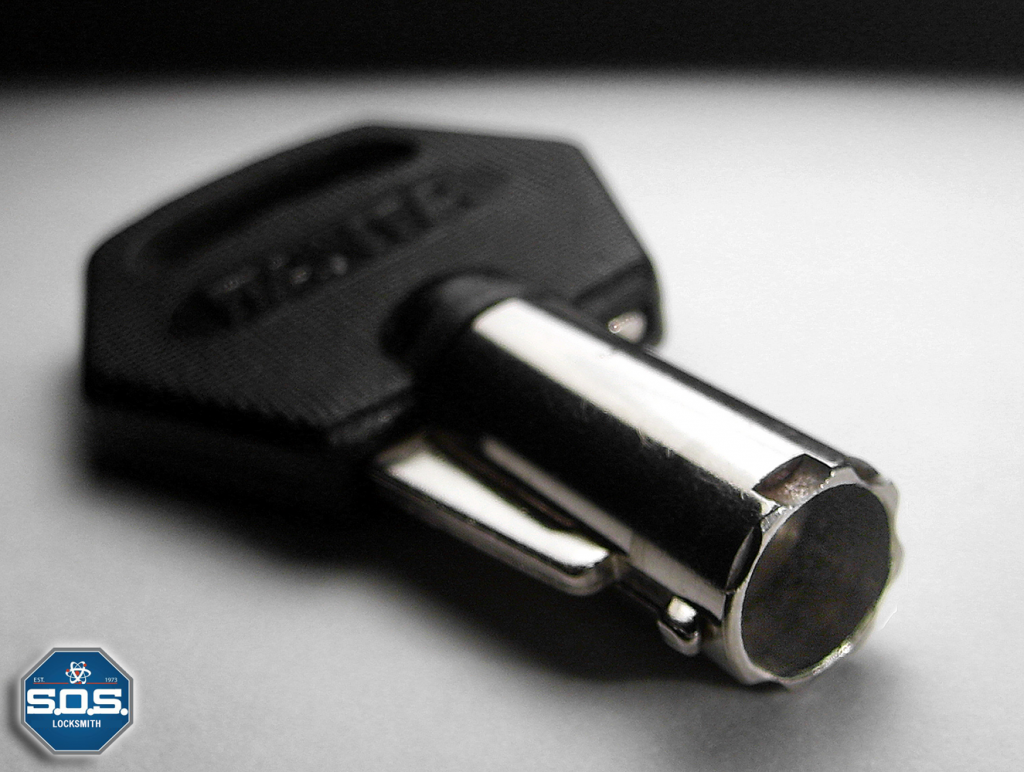
This key, also known as a barrel key, is used in tubular pin tumbler locks. It’s known for it’s cylindrical and hollow shaft much shorter than the typical key. This key is used on bicycles, vending machines, laptop locks, and alarm systems.

Change Key

This is a kind of master key – that can only open one or two locks. This type of key is often given to employees who are allowed access to some – but not all – rooms in a facility or business.

Bump Key

This is different than regular keys – it’s only similar to the right key for a lock, but can unlock it using a bumping technique.

Berlin Key

This kind of key is notable for it’s double-ended pair of blades at either end. The key must be pushed through the other end of the door in order to retrieve it – and you can’t take it out unless the door is locked.

Smart Key

This key is commonly used in cars, but can also be used in residential or commercial settings. They allow individuals to remotely automatically lock or unlock doors with a push button or electronic key code. These keys don’t require contact or physical insertion to work.

Master Key

These keys are often used in large houses or business facilities – they can’t open every kind of lock. Rather, with Master Keys, a set of locks are created specifically for the key, which can open all these locks – while each of the locks also get a “change key” which can be given to others, that only open that particular lock.

Skeleton Key

This is a type of master key – it’s often known as a pass key, since the serrated edges are removed leaving only the essential components of the key – it can unlock many locks, and is a useful tool for thieves.

Video Intercoms and Their Security Benefits

Posted onNovember 9, 2015byadmin
video intecom NYC

If you’re looking to maximize the integrity of your home or business security, electronic surveillance is an essential must. Since the advent of security technology, robberies and break-ins has steadily decreased. By investing in electronic security systems , you’re exponentially increasing the safety and integrity of your property.

Monitor the Security of your Home or Business

A particularly important security advice recently made available to homes and businesses are Video Intercoms . These devices are linked to the buzzer of your front door – and include a video camera that can allow you to view the person standing at your doorstep. This tool can help you verify the identity of any visitor to your home or business – which is an important security procedure. Anyone can imitate a voice, or try to impersonate someone – by being able to watch your front-door visitor with your eyes, you can make sure that it’s the person you’re expecting. Peace of mind is priceless, and using a video intercom makes getting there even more simple.

Practical Convenience of Video Intercoms

Using a video intercom also provides a-lot of convenience. With an intercom system that has a video screen, you can quickly communicate with anyone in your home regardless of their location. You can avoid having to walk to another area just to say something, and avoid having to go down to the front door to verify the identity of a visitor.

Monitor your children or employees

By using a video intercom you can monitor your children or employees, to ensure that no trouble is happening. You can use the voice chat features to ask a quick question without having to venture around your floor or downstairs to find out the answer. The more touchscreen devices you install, the farther your reach in your home and business gets.

Lastly, these security systems are completely affordable, making these security systems a must for anyone looking to exponentially boost their home or business security, as well as convenience of communication.

When it’s right to Change your Locks

Posted onOctober 30, 2015byadmin
change locks

Just like most home appliances and tools, locks sometimes need to be changed for varying reasons. Thankfully, it’s quite a simple and easy process to get your locks replaced. This is a distinctively different process than re-keying, which has it’s own precipitating causes. The entire body of the lock has to be removed and replaced – so it’s best to know what situations exactly merit a need to get your locks changed. Below are few times in our lives when it’s right to Change your Locks

Moving into a brand new Home

Even if a previous owner or real-estate agent gives you keys to your new home, it’s impossible to know if there’s any copies of the keys circulating around, or who might have them. It’s safest to just get the locks replaced so you know that your home or business is completely secure.

Lost Keys

In situations where keys are lost, it’s usually better to go the safe-route. There’s little way of knowing if the keys were stolen, found, or copied by people with negative intentions – so it’s better to just replace the locks and afford yourself some peace of mind.

Broken or Old Locks

Rust or internal deterioration can wear out locks over the course of time. You can periodically inspect locks to search for signs of wear – which can include rusty metal, or having difficulty opening keys. Besides being dangerous, rusty or broken locks have the possibility of failing or jamming when you’re trying to get inside your home. It’s best for your safety and sense of calmness to simply replace the lock.

Missing Spare Keys

If you gave a pair of spare keys out to neighbors, friends, or repairmen – and the keys have gone missing or are not being returned for whatever reason, stay on the safe side, Simply have the lock changed to get rid of any risk to your assets which might be posed in case the keys fell into someone nasty’s hands.

New Roommates

If a roommate moves out, it’s always a good approach to change the locks. You don’t know if they gave any of their friend’s copies of their keys. I know it sounds silly (but I promise it’s happened) – you really don’t want to find out an old roommate has been using your home without contribution while you’re away. Changing a lock can prevent any of this sort of unauthorized entry.

After a Break In

In this unfortunate occurrence, it’s always best to be as safe as possible. Even attempted break-ins warrant lock changes, as it’s highly possible that your locks were damaged in the attempt to enter into your home.

Home Security Tips

Posted onOctober 14, 2015byadmin
Home Security Tips NYC

There’s a number of practical tactics that homeowners can adopt to increase the security of their home. Oftentimes, resisting burglary is a matter of mindfully making sure there are no loose strings in your home security, as well as installing various deterrents to discourage any potential burglar from taking a chance on your home. SOS Locksmith has highlighted 3 main Home Security Tips below:

Doors Locks

Firstly, ensure that all doors have a durable working deadbolt lock , and that the door jamb area is structurally reinforced with wood, metal, or screws. Again, make sure all screens are intact and functional, or consider replacing weak screens with unbreakable glass. Sliding glass doors should have a mechanism placed inside its frame that prevents opening – this is known as a Dowel or Charlie Bar. Make sure doors have a peep-hole to identify visitors, and that your home is fit with a burglary alarm.

Window Security Tips

Make sure all windows are securely locked when you’re out of the house – this may be a matter of installing new locks in windows with locks that don’t work very well. Make sure all screens are securely placed inside windows and don’t fall out, and close your blinds to make sure nobody can look inside your home when you’re not there.

Outside the house

Make sure that all plants or bushes are trimmed to minimize potential coverage a burglar could utilize to their advantage. Make sure ladders or other potential ways to climb to an upper window are safely secured inside a shed or garage. Put up signs that imply guard dogs and alarm systems are in place to scare away potential criminals. It’s a major no-no to hide any keys outside under a mat or strategically placed rock – trust us, burglars check in these places. Make sure the area outside your home is well-lit so that you could see anyone in the yard clearly from inside your house.

These tips should be adopted by any homeowner as an addition to any security systems already in place. They ensure the safety and integrity of your home, which should always be a major priority. Just the peace of mind in knowing that your home is safe makes the adoption of these security tips completely worth the effort.

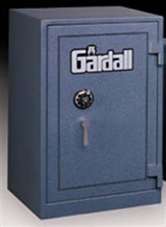
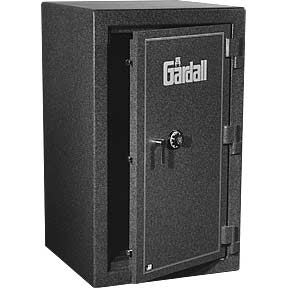
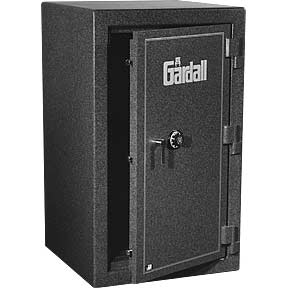
Gardall UL 2-Hour Fire Safes Can Protect Your Small Business from Devastating Loss

Posted onJune 18, 2014byadmin
gardall

If you are a small business owner, you have things you need to protect. Those “things” include important documents that may cause suspension of your business activities if lost or stolen. You may be the owner of a small business that sells precious jewelry or valuable collectibles. In addition, many small businesses require cash on the premises for various reasons. Nobody likes losing money! A quality UL 2-Hour Fire Safe from Gardall can help.

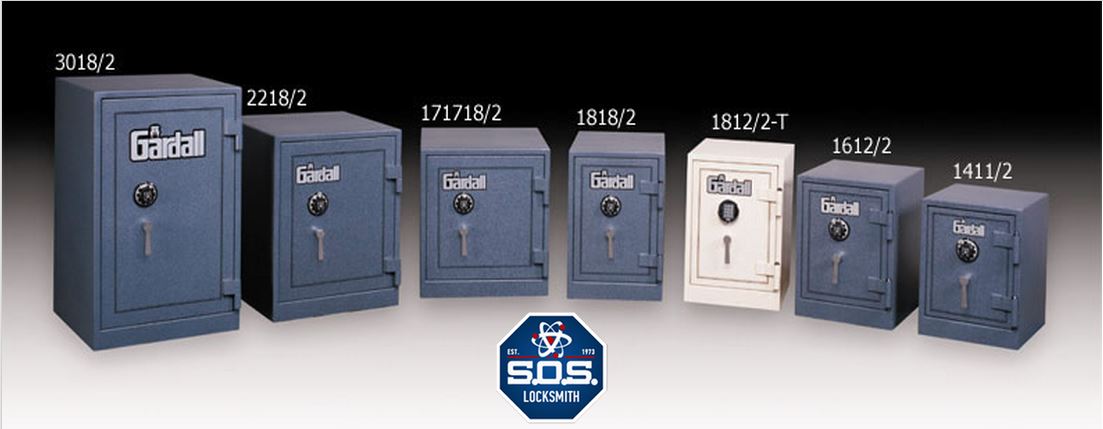
Gardall UL 2-Hour Fire Safe

What Are the Features of this Type of Safe?

Anti-pry, recessed doors with a thickness of more than four inches

Safe walls thicker than two inches

A UL-listed Group II high-security lock in your choice of mechanical or electronic design

A solid, chrome-plated handle engineered to sheer during a “handle attack”

Complex anti-drilling-attack construction

What Sizes of Safe Are Available?

How Does a Gardall UL 2-Hour Fire Safe Benefit Small Businesses?

Some things are simply part of doing business the right way. A fire safe is one of those things!

How Much Does One of These Safes Cost?

The price range on Gardall’s 2-Hour line starts at just over $900.00 and goes to just above $2,250.00 for the line’s largest, heaviest model equipped with three shelves. Several models fill the space between the two ends of the price range.

The reasons for a small business to own one of these valuable safes from Gardall greatly outweigh any arguments against the purchase. If your business documents are worth protecting, Gardall’s line of UL 2-Hour Fire Safes is worth a good, long look!

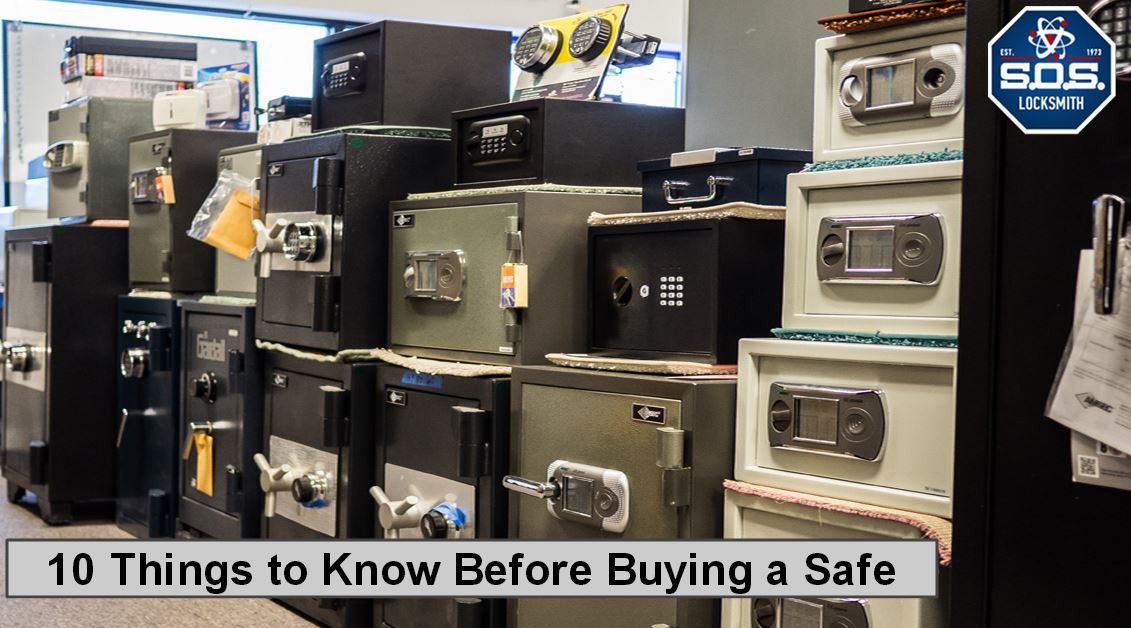
10 Things to Know Before Buying a Safe

Posted onApril 1, 2014byadmin
safes

When you want to keep your most important documents or valuable items secure, you need a safe . However, not all safes are created equal, so take a moment to learn more about safes before you buy a safe

Fireproof Safes are Just Fireproof

If a safe is simply listed as a fireproof safe , and not as a fireproof and burglary safe, do not use it to store valuable items. Just keep your important documents in there. It is not difficult for a burglar to access a fireproof safe.

Know the Safe’s Rating

Get to know the safe rating system. For example, when you are storing items that are worth around 5000 dollars or less, a B grade safe will do. At the opposite end is the U.L. TRTL-30X6 rating, which stores 1,000,000 dollars worth of items and more.

Find the Right Sales Company

If you want a good safe, you need to go to a good safe company. Look for a company with experience, good reviews, and conduct that clicks with you. Always get to know a company before you let them put a safe in your home.

Anchor It

A safe is useless if a burglar can simply haul it off with a dolly and saw it open at their leisure. A good safe company will anchor their safe to your floor, preventing this from occurring.

Placement is Everything

A properly placed safe is accessible, it has enough light in the area to see the safe and the contents inside it, and the floor is reinforced to prevent damage.

Skip the Wall Safes

Wall safes look cool, but professional burglars know to look for them. Because wall safes are simply set into the wall, the burglar then knows that a saw can be used to cut the safe free. Opt for an anchored free-standing safe instead.

Fireproof Safes Don’t Protect Digital Media

Digital media like DVDs and thumb drives suffer from heat and humidity long before paper items do. Find cloud storage for these items, and do not expect a fireproof safe to keep them in good shape.

Don’t Choose a Floor Safe for Fire Safety

Floor safes don’t keep items safe from fire as long as free-standing safes do. If you want to be as sure as you can about keeping your documents and belongings safe, use a free-standing safe.

The Right Safe, The Right Size

Remember to think about what you need to store before you buy the safe . A good safe is one that will hold everything that you need, which prevents you from having to make bad decisions about what gets protected.

Video Intercom

Posted onDecember 27, 2012byadmin
Video Intercom

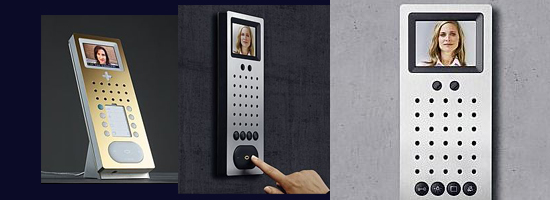
Video Intercoms allow you or your family to see who is at the door before unlocking it. The moment someone presses the doorbell a ring sounds and your visitor is displayed on a screen. You have the option of answering the door without ever having to acknowledge your presence. Furthermore, video intercoms are ideal for businesses concerned about the safety of their company and its employees. It’s a safe and secure way of avoiding unwanted guests.

Video intercoms come in a variety of shapes and sizes. There are in-house video telephone systems, hands-free video telephones, video indoor stations and more. The video indoor station is a classical unit with a receiver or a hands-free system which can be mounted on the wall or on any flat surface. Hands-free video telephones do not require a receiver or a cable. Simply look your visitor in the face and hold a conversation as if that person were sitting right next to you. Unlike the aforementioned, in-house video telephones do require a receiver. Nonetheless, the system is just as straightforward to operate. Look into the camera, lift the receiver and speak. Technology such as the hands-free video telephone and the in-house video telephone is as effortless to use as they are practical. In terms of price, receiver systems are generally less expensive than their hands-free counterpart.

Video intercoms are versatile systems that can be integrated in more ways than one. It can be used for homes, businesses, schools, religious institutions, security facilities, and so on and so forth. Never again will you have to open the door without being certain who or what is on the other side.

Read More on Intercom Installation and Intercom Repair

Safe Service NYC – Safe Service in New York City

Posted onMay 1, 2012byadmin

Safes have been used traditionally to protect cash, important documents and valuables from fire and theft. There are several varieties of safes in the market today. This is an important investment for your home or office. Hence, you should consider several factors before buying them. If you live in the New York City area, or own a business there and are looking to buy a safe, you should contact a safe service NYC company such as SOS Locksmith Services. These professionals can provide you the right advice about choosing a safe as per your budget and needs.

Continue reading →

Safe Maintenance NYC – Safe Maintenance in New York City

Posted onMay 1, 2012byadmin

Until the early 19th century, safes were used to protect valuables from burglars. They offered little protection from fire and floods. They were made up of wooden boxes with iron hoops. The fire-proof iron chests were introduced into the market in the 1840s. Competing safe manufacturers started using new materials and technologies to develop safes that were durable, reliable and inexpensive. Modern safes are available in a variety of shapes, sizes and materials. They have strong locks, which cannot be defeated by anybody including trained locksmiths. However, like any other furniture or equipment in your home or office, safes also require maintenance from time to time. Safe maintenance NYC companies can provide the support to New York City homes and offices.

Continue reading →

Safes Repair NYC – Service for a Safe

Posted onMarch 26, 2012byadmin
Safes Repair NYC – Service for a Safe

Safes Repair NYC

Having a safe installed is a great way to up the security factor in any home or place of business. As with all manmade items, from time to time, these safes will need some repair. The repairs can be minor such as a scratch on the handle or on the door all the way up to extensive damage suffered from a robbery or a home invasion. Whatever the extent of the damage, there are locksmiths that perform safes repair NYC and can handle any type of issue that may occur with a safe.

When people hear the term locksmith, they typically will think of someone who works with locks and locking systems. While this is true, the area that a locksmith will work in is much greater. A locksmith is more involved in the field of security than in the general area of locks. A locksmith will also deal with safes, intercoms and advanced security systems. The job of the locksmith is to make sure all of the devices are installed properly as well as being maintained properly. If a safe repair NYC is not done, or is not done right, the safe can easily be accessed by the wrong people.

A safes repair NYC can be anything from a basic replacement of a part to a full replacement of the safe. There are different degrees of damage and depending on the type of damage; a locksmith will use that to determine the proper type of repair that needs to be done. Included in the job of a locksmith will be to find the correct replacement parts, or if the parts cannot be found, to make those parts. There are different ages and degrees of safes and finding the right parts can take some time and some effort.

There are many different locksmiths located in New York City and one of those companies is SOS Locksmith NYC. SOS Locksmith NYC specializes in all things dealing with safes and safe repair NYC . They have the knowledge and the skills to determine the proper type of repair for a safe and they have the skills to perform that repair. SOS Locksmith NYC is located in the middle of New York City and in a central location to all of their customers. SOS Locksmith NYC has been in business for over 30 years and has been serving customers superbly ever since they opened their doors.

Read About: Safes Repair NYC , NYC Locksmith , Intercom Installation NYC

Gardall Safe MS 912GE

Posted onMarch 14, 2012byadmin
Gardall Safe MS 912GE

Gardall MS912GE Safe: SOS Locksmith NYC

Standard Features Include:

Outside Dimensions: H: 131⁄2” W: 163⁄4” D: 151⁄4”

Inside Dimensions: H: 91⁄2” W: 123⁄4” D: 101⁄4” Weight: 85

• One-hour fire safe label*

• Center bolt down ( hardware included )

• Dual security key and combination (mechanical only)

• Programmable electronic lock with over-ride code

• Powder coated paint for increased durability

• Pull-out tray for storage of small items

• Gardall Lifetime Replacement Warranty

SOS Locksmith NYC sell, install, repair all Gardall safe in NYC. SOS Locksmith NYC is the authorize dealer for Gardall safes.

Visit us : http://www.soslocksmith.com/

Gardall 3018 Safe NYC

Posted onMarch 14, 2012byadmin
Gardall 3018 Safe NYC

Gardall 3018 Safe: SOS Locksmith NYC

Standard Features Include :

Outside Dimensions: H: 371⁄4” W: 231⁄4” D: 253⁄4”

Inside Dimensions: H: 30” W: 18” D: 173⁄4” Cubic Inches: 9585 Weight: 620 Shelves: 3

• Thick 41⁄4” door with recessed anti-pry design. Safe walls are 21⁄2” thick

• Five active bolts that lock in 3 directions

• Center bolt down hole with hardware included for easy installation (hardware included)

• Plush carpeted quality interior to protect jewelry and valuables (Models 1812-3018)

• UL listed Group II high security lock, mechanical or electronic available

• UL 2-hour fire label, furnace-tested to 1850°F for 2 hours.

• Solid chrome-plated handle with shear point to prevent the safe from being forced open by handle attack

• Independent re-locker and hard plate to prevent drilling attack on locking mechanism

• Gardall Lifetime Replacement Warranty

SOS Locksmith NYC is an authorized dealer of Gardall Safes . We Sale, Install, Repair and Maintain Gardall Safes.

Read About: Lock Installation NYC , Manhattan Locksmith ,

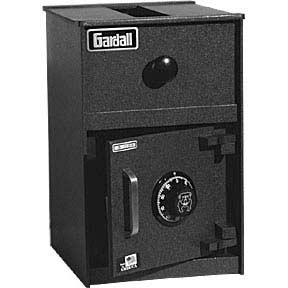
Gardall RC 1218 NYC

Posted onMarch 14, 2012byadmin
Gardall RC 1218 NYC

Gardall RC1218: SOS Locksmith NYC

Standard Features Include:

Outside Dimensions: H:18” W:111⁄2” D:13”

Inside Dimensions: H:11” W: 101⁄2” D: 101⁄2” Cubic Inches: 1213 Weight: 105

• CLASS B Insurance Rating – 1/2” steel door with punch resistant bolt and relocking device to deter forcible entry. 1/4” steel body construction.

• Dual Custody Key Locks – Requires 2 keys to open door for absolute security.

• Finest quality U.L. Group II S&G combination lock – Key changeable combination, capable of 1 million possible choices.

• Triple boltwork with independent re locking device.

• Re locking device – If back cover is knocked off of lock, the independent relock device is activated, preventing bolt withdrawal. Available on either combination or dual key operated doors.

• Rotary Hopper Capacity – 33⁄4” x 9” x 4” designed to fit most standard money bags and envelopes.

• Front Loading Capacity – designed to fit most large money bags – 23⁄4” x 101⁄2” x 71⁄2”

• Interchangeable Doors – 2 sizes 9”x 9” and 12”x12”.

• 4 anchoring holes in base.

SOS Locksmith NYC Sell, Install, Repair and Maintain Gardall Safe . We are authorize dealer in NYC for all Gardall safes.

Read About: Lock Installation NYC , Manhattan Locksmith , Intercom Installation NYC

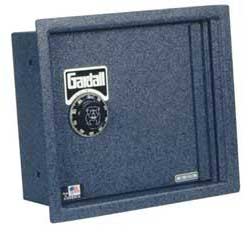
Gardall SL6000 Safe NYC

Posted onMarch 14, 2012byadmin
Gardall SL6000 Safe NYC

SOS Locksmith NYC: Gardall SL6000

Standard Features Include:

Outside Dimensions: H: 123⁄8” W: 143⁄8” D:6”

Inside Dimensions: H:12” W:14” D: 41⁄2”” Cubic Inches: 756 Weight: 45

• A 1” flange for easier installation.

• Designed to be recessed into a wall and concealed by a picture or a mirror.

• Available with U.L. Group II electronic lock as an option or without a flange.

• Available for 4” or 6” wall depth. SOS Locksmith NYC is an authorized dealer of Gardall Safes . We sell, Install, Repair and Maintain Gardall Safes.

Read about: Safes Installation NYC , Safes repair NYC , Locksmith Manhattan

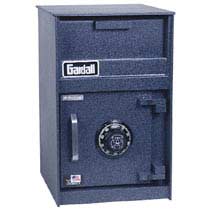
Gardall FL1218 Safe NYC

Posted onMarch 14, 2012byadmin

Specification on Gardall safe SOS Locksmith carries Gardall FL1218 Safe

Standard Features of Gardall FL1218 Safe NYC Include:

Outside Dimensions: H:18” W:111/2” D:13”

Inside Dimensions: H:11” W:101⁄2” D: 101⁄2”” Cubic Inches: 1213 Weight: 110

• CLASS B Insurance Rating – 1/2” steel door with punch resistant bolt and re-locking device to deter forcible entry. 1/4” steel body construction.

• Dual Custody Key Locks – Requires 2 keys to open door for absolute security.

• Finest quality U.L. Group II S&G combination lock –Key changeable combination, capable of 1 million possible choices.

• Triple bolt-work with independent re-locking device.

• Re locking device – If back cover is knocked off of lock, the independent re-lock device is activated, preventing bolt withdrawal. Available on either combination or dual key operated doors.

• Rotary Hopper Capacity – 33⁄4” x 9” x 4” designed to fit most standard money bags and envelopes.

• Front Loading Capacity – designed to fit most large money bags – 23⁄4” x 101⁄2” x 71⁄2”

• Interchangeable Doors – 2 sizes 9”x 9” and 12”x12”.

• 4 anchoring holes in base.

Gardall FL1218 Safe NYC

SOS Locksmith NYC: Safes Installation

SOS Locksmith NYC is an authorized dealer of Gardall Safes. We Sell, Install, Repair and Maintain Gardall safe.

Read About: NYC Locksmith , Lock Installation NYC , Manhattan Locksmith

Gardall GBF1713 Safe

Posted onMarch 14, 2012byadmin
Gardall GBF1713 Safe

SOS Locksmith NYC: Safes NYC

Standard Features Include:

Outside Dimensions: H:211⁄4” W:181⁄8” D:201⁄8”

Inside Dimensions: H:161⁄2” W:13” D:131⁄4” Cubic Inches: 2,842 Weight: 355 Shelves: 1

· Hard plate to deter drilling.

· Independent re-locking device.

· Solid steel handle designed to shear off under attack.

· Three massive 1” round chrome plated locking bolts.

· Full length locking bar on hinge side of safe deterring prying attacks.

· One anchoring hole in base for easy bolt down (hardware included)

· Gardall Lifetime Replacement Warranty

· Intumescent seal to ensure a positive door seal in case of fire.

SOS Locksmith NYC is an authorized dealer of Gardall Safes. We Sale, Install, Repair and Maintain Gardall Safes.

Read More on Safes Installation NYC

Amsec UL1812: Listed as 2 Hour Fire Rated Safe

Posted onMarch 14, 2012byadmin
Amsec UL1812: Listed as 2 Hour Fire Rated Safe

SOS Locksmith NYC: Safes Installation NYC

Features:

Withstands fire of up to 1850°F and a 30’ drop-the equivalent of falling through a two story building

Handle activated locking system with 7/8” diameter solid steel locking bolts

Auxiliary spring loaded re-locking mechanism in event of a severe attack

SOS Locksmith NYC is an authorized dealer of Amsec Safes . We Sale, Install, Repair and Maintain Amsec Safes- Fire Rated Safe

Read More About: Safes Repair NYC , Manhattan Locksmith

Safes Repairing NYC – Importance of Safe Repair

Posted onFebruary 20, 2012byadmin
Safes Repairing NYC – Importance of Safe Repair

Safes repair NYC

A safe is designed to keep your valuables protected, but this type of security only works when it is well-maintained. There are many reasons why you may need to call a safes repair NYC company. The first step is identifying when you need you to contact a professional for safes repair. The second step is finding a quality company to service your home security needs. When you’re allowing someone to come into your home and have access to your most valuable items and your methods for securing them, it’s absolutely essential that you retain the services of a highly qualified and trustworthy company.

Continue reading →

Safes Service NY – Asking the Right Questions Beforehand

Posted onFebruary 3, 2012byadmin

There was a time when the only things you cared to protect were your stash of candy and your favorite toys. Then you got older and protecting your heart and your image was all that mattered. Now you’re fully-grown and suddenly it seems that everything needs protecting – from your family and your life, to your home and all the things in it. Lately, you’ve even been wondering whether or not to put a safe in your home. You’ve never had one before, and so you’ll need the help of a good safes service company in NYC.

Continue reading →

Safes Repair NYC – What to do if Your Safe Gets Stuck

Posted onFebruary 3, 2012byadmin

Most of us have seen those movie scenes where some professional thief or maverick managed to open a locked safe in a matter of minutes. And all they had to do was press an ear against the door and listen quietly for clicks, while turning the combination lock. If it were that easy, anyone with good hearing could be a safe-cracking maverick. But in reality, opening a safe can be a very tricky and frustrating problem. Many companies that sell safes and perform repair jobs in NYC receive numerous calls about this common issue. The biggest problem people can encounter once they’ve had a safes installed in their home or business is having the lock get stuck. No matter how often they key in the code, or use whatever means the safe usually requires, the door will not open. Safes are mainly designed to protect people’s assets by keeping thieves out. But what if your safe is keeping you out?

Continue reading →